
✦ Design motivation for 2026
New year, new me. Hi 2026, the year of the horse, the year of whimsy. My trend prediction? An Arts and Crafts renaissance.
Let’s be honest: things were dark in 2025. But I have hope for 2026. Whimsy is all over my feed, and I’m looking forward to a shift toward optimism and human expression.
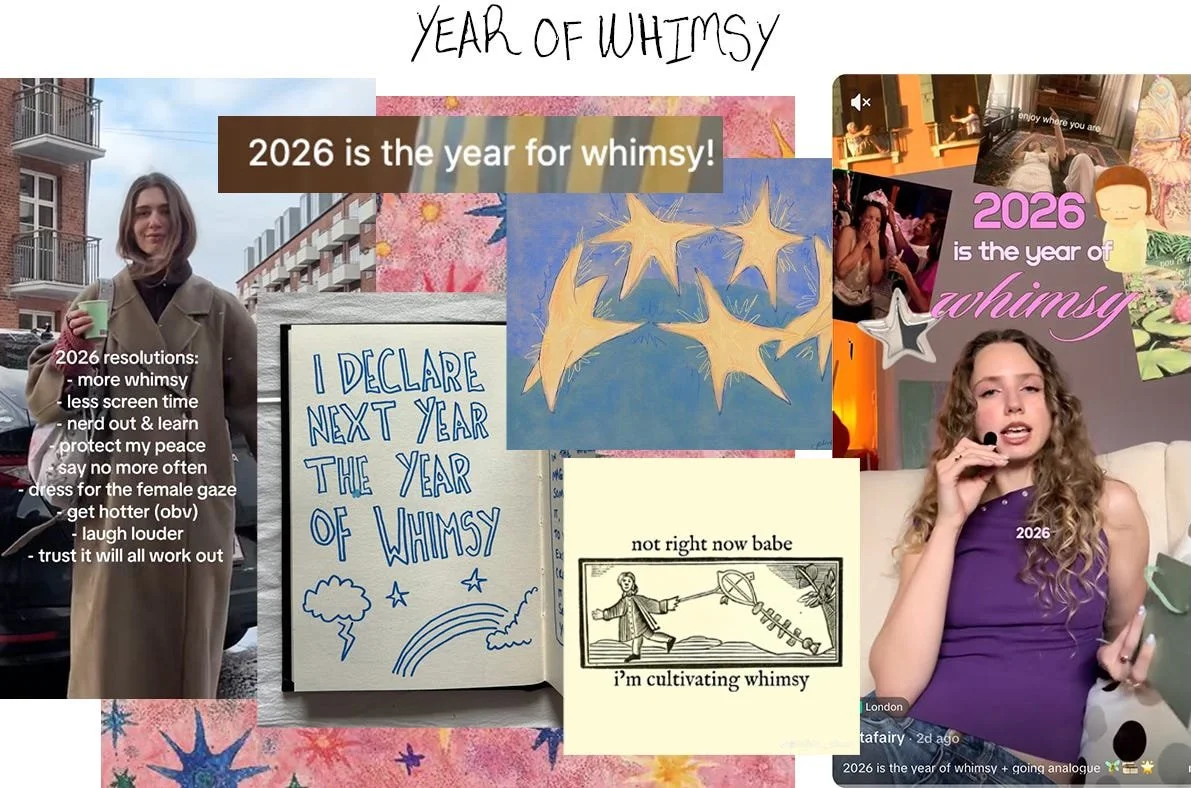
Why whimsy? Well, we’re tired. The world feels intense and it’s easy to sit in a constant low-grade dread. Whimsy offers another option. It’s creativity, making things, listening to your inner child, and noticing small, everyday magic. Touching grass. This isn’t about ignoring the hardships of the world, it’s about choosing a lighter mindset, and living in your moment.
This whimsy trend rejects hustle culture and feels like a direct reaction to collective burnout. Lately, I’m seeing more people turn toward making things by hand. In a moment filled with economic insecurity and AI slop, there’s a craving for things that feel real. People want ethical human-made objects and real human experiences.
Which brings me to AI. 2025 felt like a nonstop stream of AI headlines featuring freaky technological advances or another round of layoffs. In my own job, AI is constantly being injected into workflows so we can make more, faster, cheaper. It can be depressing, and I know I’m not the only designer feeling this way.
But I also see hope!!
The Arts and Crafts Movement
In a passing TikTok (I can’t find the source or I’d link it), a woman shared a simple reminder: after the Industrial Revolution came the Arts and Crafts Movement. It stuck with me, and got me thinking about what I learned in art history and from my design teachers.
The pendulum always swings. I don’t think we’re abandoning AI anytime soon, but I do think we’re starting to see a renewed appreciation for human touch, and a growing rejection of machine made art.
The parallels are real. The Arts and Crafts Movement wasn’t just an aesthetic preference, it was a values-based response.
Born out of industrialization and mass production, the movement pushed back by prioritizing handmade work, skilled artisanship, and small details. All things that couldn’t be replicated in a factory or at scale.
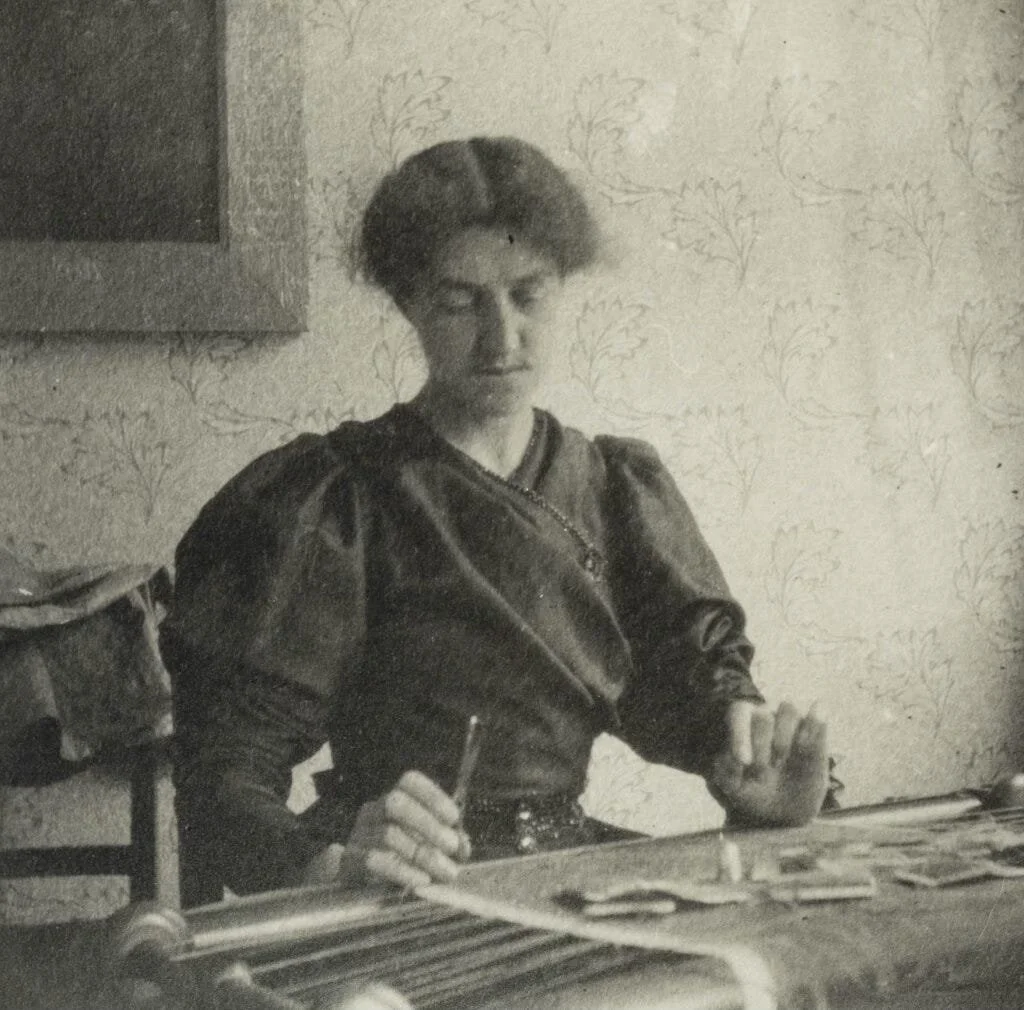
Its leaders believed industrialization stripped labor of dignity and created too much distance between people and the things they own. Craft became a way of resistance.
Take William Morris, one of the founders of the Arts and Crafts Movement and a name most designers recognize from his iconic wallpapers. In the 1880s, Morris was deeply involved in England’s socialist movement, including the Social Democratic Federation and the breakaway Socialist League, which he founded alongside Eleanor Marx (yes, Karl Marx’s daughter). His politics were shaped by what he saw around him: extreme inequality and the erosion of human dignity under industrial capitalism.
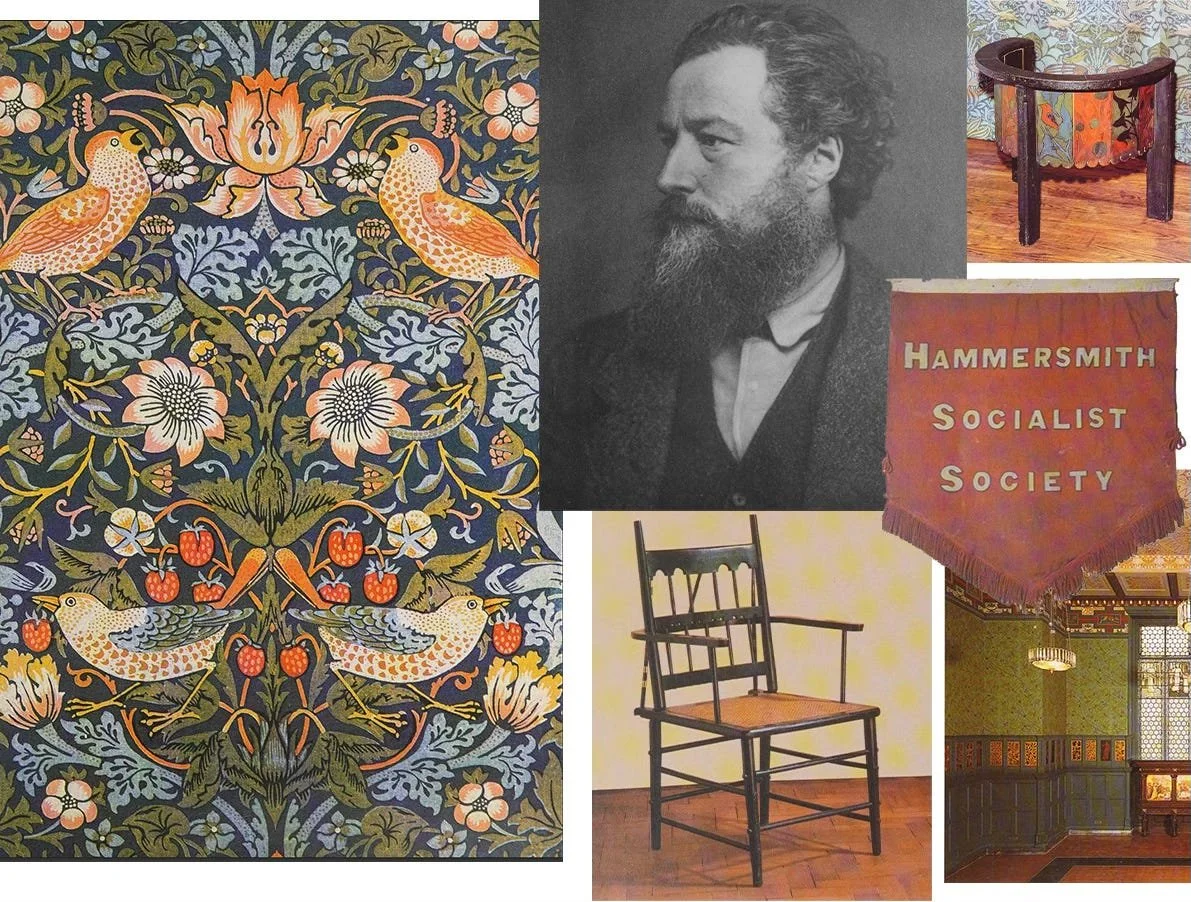
At his core, Morris believed the separation between the maker and the object was the problem. He cared deeply about equality, and the idea that art should exist in everyday life, not just for the elite. For him, beauty wasn’t decorative, it was a human right.
What does this mean for 2026?
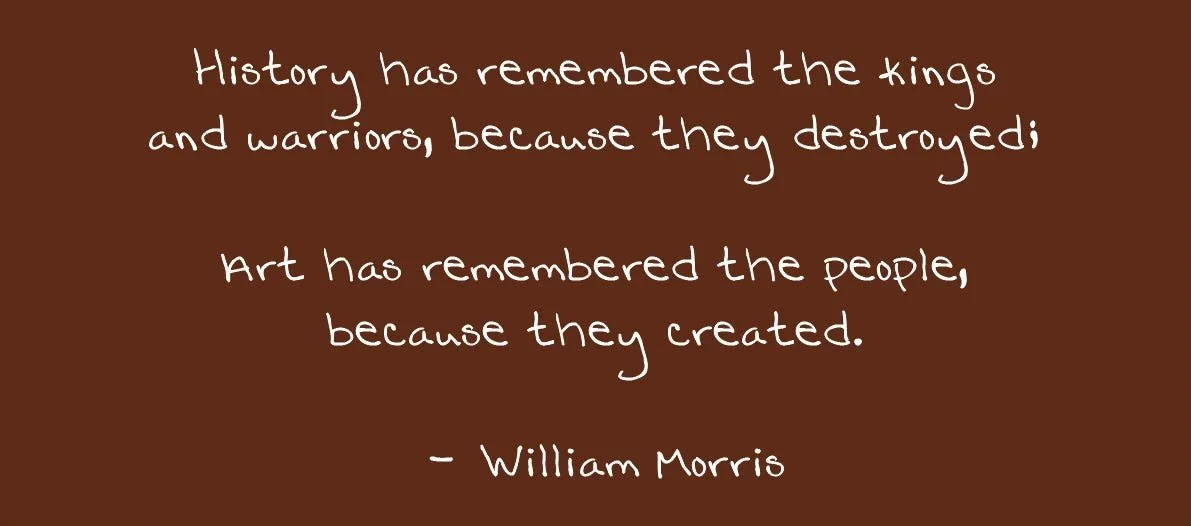
Throughout history, new technologies were met by artists and thinkers who defended human values, through making stuff. In the age of AI, I believe we’ll see the same response. Not a full rejection of technology, but a renewed insistence on humans making things.
Morris’s rejection of industrial and political elites, and his belief in craft as a form of resistance, feels especially timely today. When I look at our current political landscape, and leaders like Mamdani alongside his wife’s design work, I see signs of that same push. Creativity is tied to values, design can be used as a tool for resistance and expression, not just marketing and efficiency.
So for my artists out there please remember, that history repeats itself. Artists, HUMANS, making things slowly is a form of resistance. Craft is political. And human expression will never go out of style.
Here’s to a beautiful 2026!
I’m updating my posting cadence to every two weeks instead of every week.
It’s been a really great exercise to post weekly here, but I want to avoid burnout and keep this project fun. Every two weeks will give me a little bit more time and flexibility in the new year.
This year, I am planting seeds and trusting my gut. There is so much I want to do and share. Thanks for reading, supporting, and being part of this little world I’m building. Fun things to come!
