
✦ Hannah Montana
My high school yearbook quote was “life’s what you make it, so let’s make it rock” - Hannah Montana. It’s silly, but I wouldn't change it today. Like many older Gen-Z and young millennials, these Disney shows were more than entertainment, they were blueprints for who we'd become
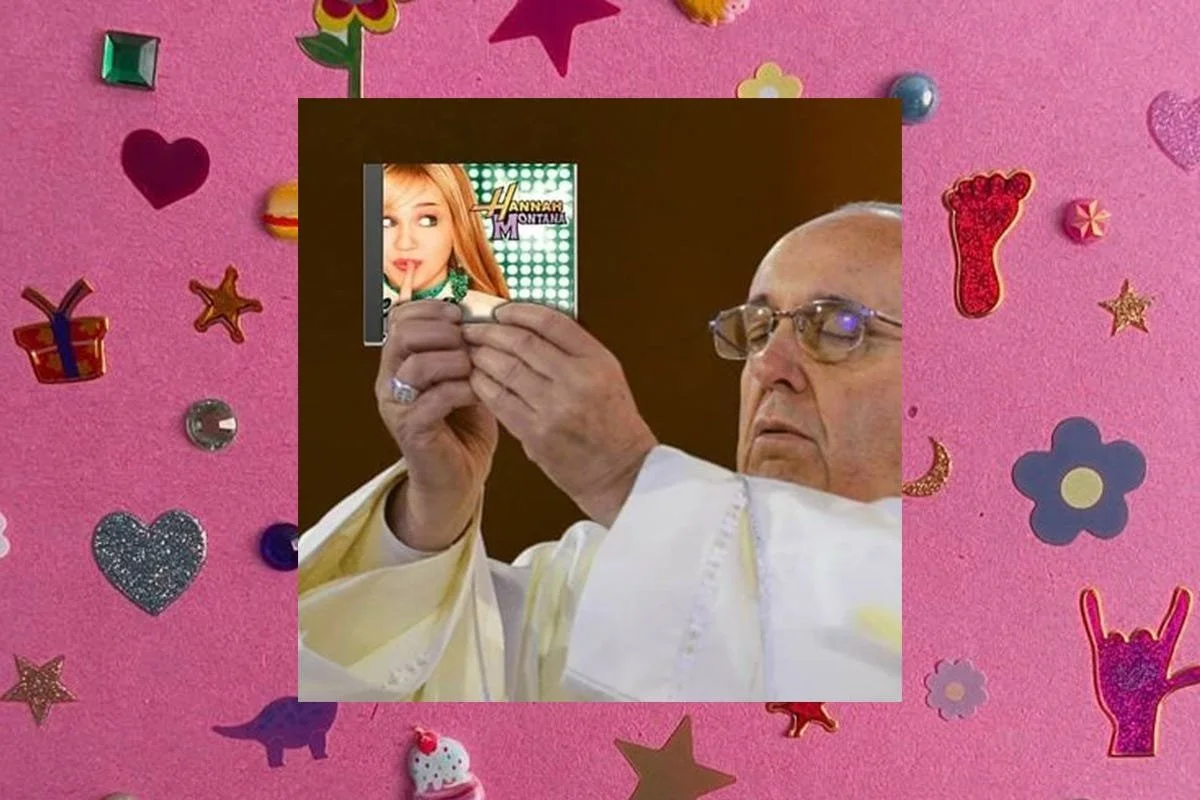
And lately, they’re having a moment.
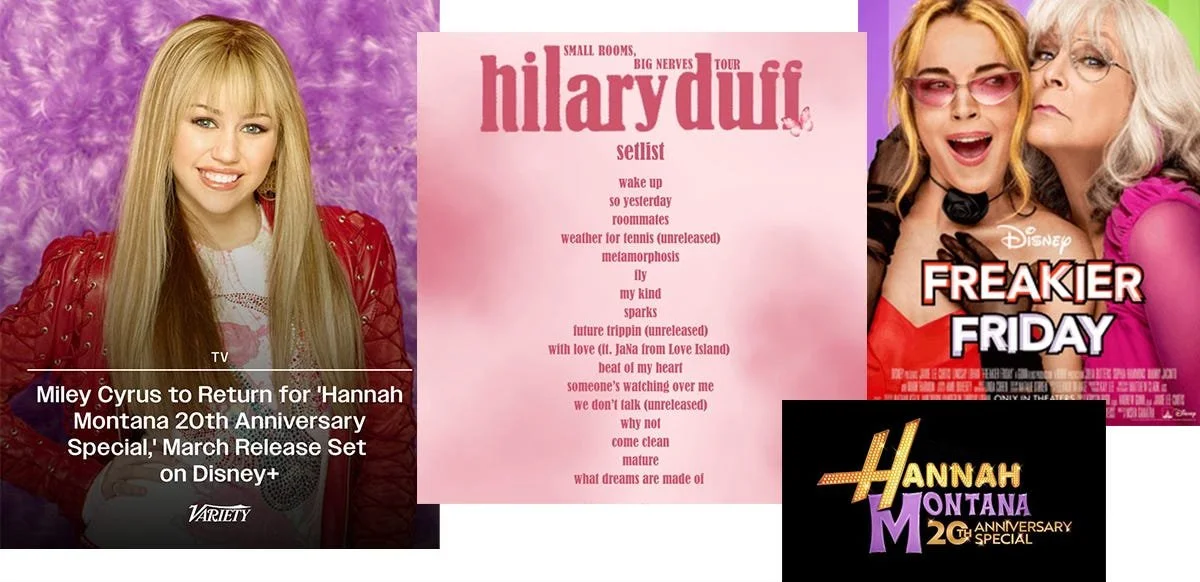
Yesterday Miley Cyrus announced a 20th anniversary Hannah Montana special on Disney+. Hilary Duff just announced a tour featuring her Lizzie McGuire-era hits. Lindsay Lohan stared in Freakier Friday last year... Meanwhile, some of the biggest artists and celebrities of our generation, Chappell Roan, Rachel Sennott, Adela, Sabrina Carpenter, have all cited Hannah Montana as a key inspiration.
So what’s happening here? Why the resurgence? Why does a 2000s Disney Channel show still matter, and why do we keep going back two decades later?
A Necessary Caveat
This essay centers a very specific, gendered experience of girlhood. These shows were heteronormative, with virtually no queer or trans representation. They weren’t universal, and not everyone saw themselves in them.
But for those who did connect, the impact was real.
What we took from them still shaped us, even if the picture was incomplete.
‘I’m Just a Girl’ as a Battle Cry
Lately, the phrase “I’m just a girl” has been everywhere. Popularized through memes layered with 2000s childhood nostalgia and Disney throwbacks - and it’s creating something like a collective mythology.
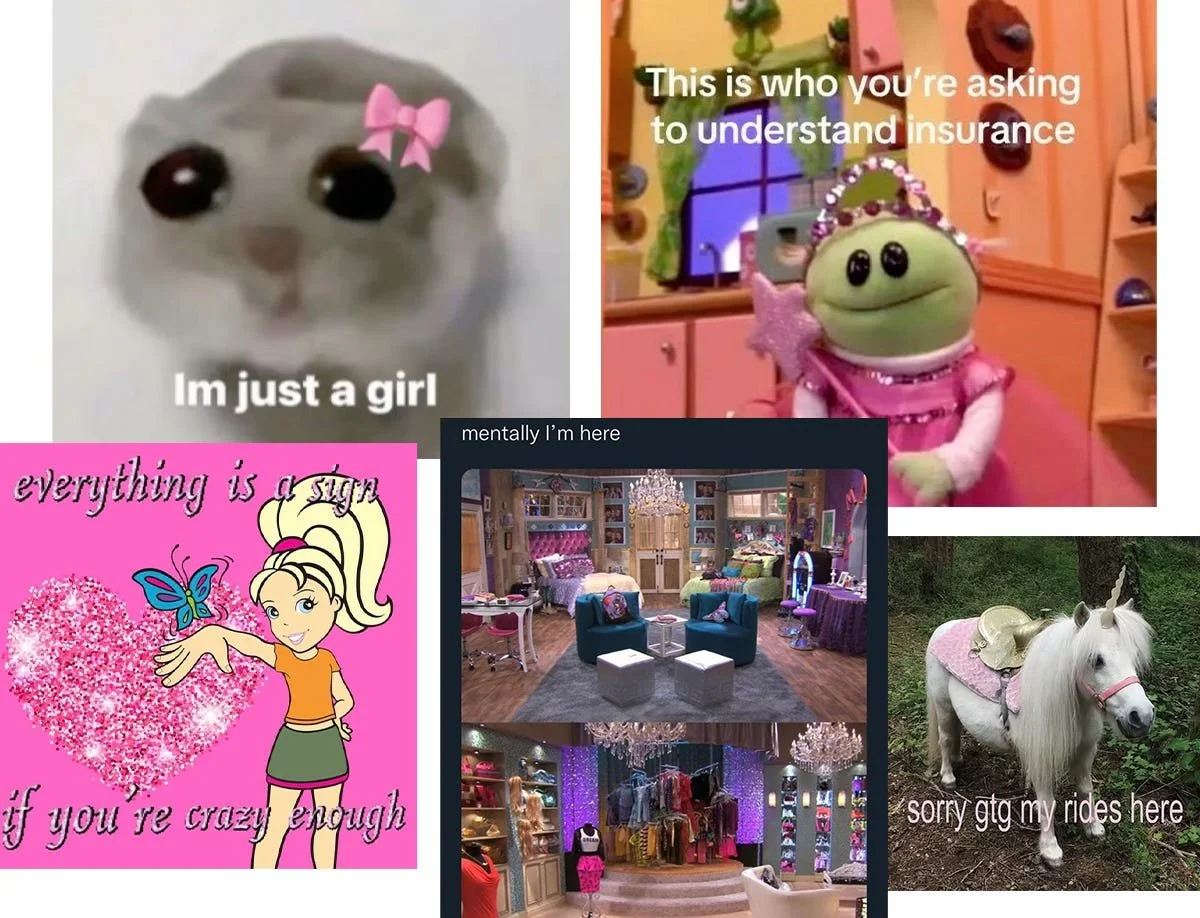
There’s a tenderness in these memes, an almost communal grief. We’re simultaneously mourning and celebrating a lost state where you could care about things earnestly, without irony.
When Gwen Stefani sang “I’m just a girl” in 1995, it was ironic frustration - look at all these societal limitations placed on me. When it resurfaces now, especially layered with Y2K aesthetics, it means something different. It’s reclamation and softness. It’s: I’m just a girl, and I can be kind to myself and not have it all figured out.
The recent popularity of Zara Larsson and the Lisa Frank Y2K revival are tapping into a specific moment when girlhood was loud. A time of glitter, noise, and unapologetically taking up space. With this new wave of artists and Gen Z creators, we’re watching our generation perform an act of cultural resurrection. We’re dragging our girlhoods out of the grave, dusting them off and declaring them sacred.
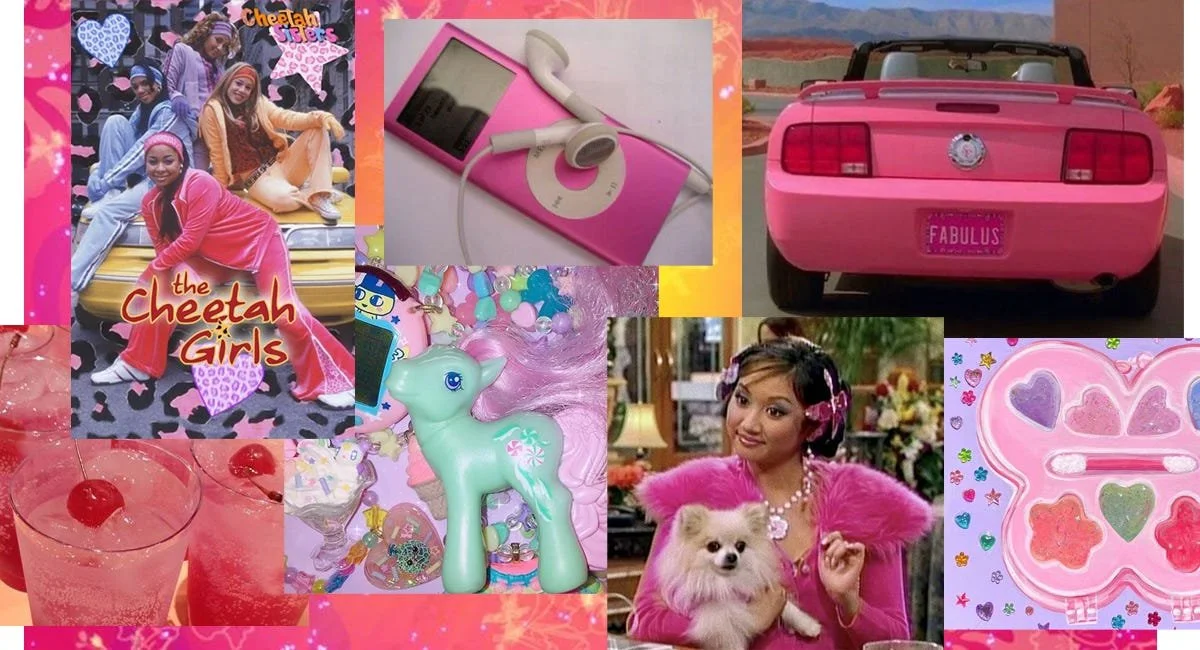
Hannah Montana, Camp Rock, High School Musical - these were instruction manuals for a specific kind of hope. They taught us we could believe things would work out, not because we were special, but because we were us and that was enough.
Hannah Montana wasn’t just a show, it was a communal experience. Everybody watched. Everyone knew the songs. Everyone wanted that closet.
As my childhood friend Alyssa put it: “When I think about Hannah Montana, Hilary Duff, Cheetah Girls, I think about these iconic pop culture moments where we had positive role models that everybody knew about. It was not this niche thing where TikTok trends and algorithms divide people into their echo chambers.”
This matters more than we might realize. Millennials and older Gen Z grew up with the internet, but it was early-stage, nothing like today’s algorithms. Gen Alpha is growing up in a world of AI and hyper-individualized media, and they’re losing shared cultural experiences.
“Now kids don’t really watch movies or shows - they watch YouTubers and influencers. TV characters are timeless and can’t really get cancelled. But real people can be policed and questioned and scrutinized. I think part of the nostalgia is for a time when we had that separation between media and the real world, where High School Musical was something to be enjoyed with friends instead of everyone scrolling alone in bed.”
Tween Role Models
“I think part of the nostalgia is having age-appropriate female role models that are also not highly sexualized, who sing about friendship and decenter men. Yeah, they have some love songs, but they also have songs about friendship and being who you are and identity.”
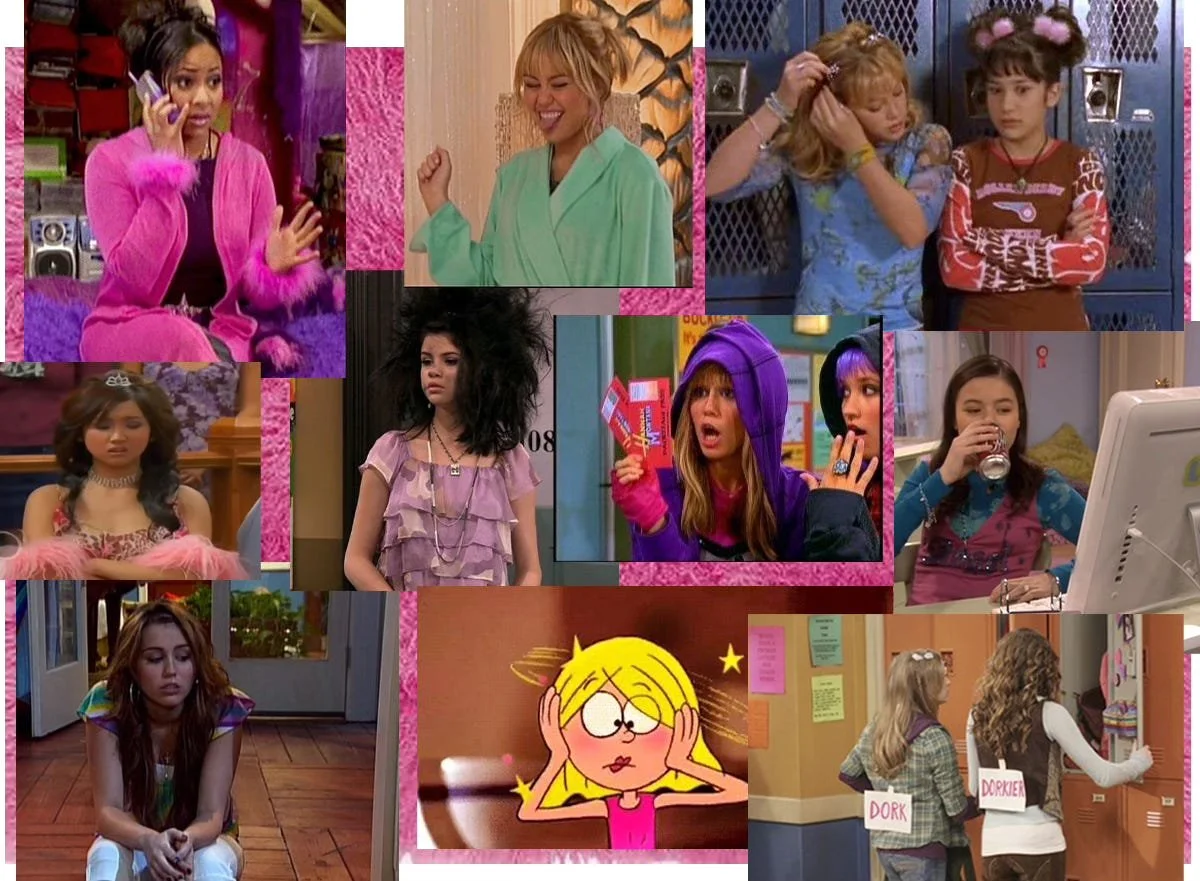
These shows were made for girls, and they showed us how to navigate teen issues: first crushes, friendship drama, school stress, personal identity. Today we have very few role models that embody this teenage genre, and with the rise of cringe culture, there is less space for teens to do embarrassing things. Current pop stars, even young ones, project a perfect persona online and jump straight to selling you something while performing adult sexuality and aesthetics. There’s less space for being thirteen and awkward and figuring things out.
So, since we can’t find good counterparts today, we reach for the nostalgia of these Disney shows to fill the void.
2000s Nostalgia
Here’s what’s unique in this moment: this isn’t pure nostalgia. What’s happening now is more like retrieval, going back to get something we all need right now.
It’s about bringing forward the parts of your child-self that have gotten jaded over time. It’s saying: I need her resilience. I need her audacity.
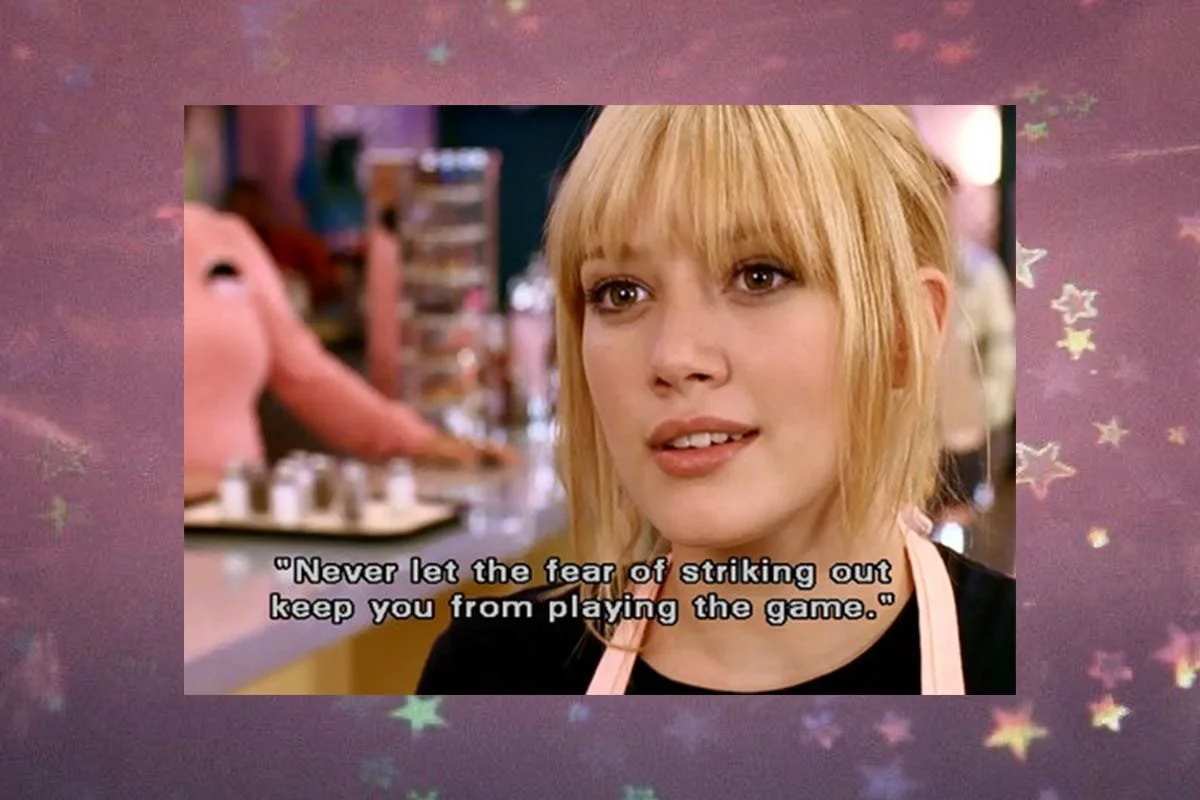
These movies and shows always ended with things working out. The secret stayed safe, the performance went well, the friendship repaired itself. This is obviously unrealistic, but it created a neural pathway: problems are solvable, effort matters, hope is justified. That pathway is still there and reactivating it isn’t delusion - it’s a coping mechanism that might actually help us.
Duality and Dreaming
Our generation is reclaiming girlhood, insisting the dreamer doesn't have to die just because reality is hostile.
Like Hannah Montana taught us, it’s okay to embrace duality. You can be multiple things. You can acknowledge the world is a mess and still paint your nails sparkly. You can be politically engaged and watch Real Housewives for comfort. You can acknowledge the obvious Disney-capitalism behind it all and be grateful for what it gave you anyway.
These shows gave us permission structures for ambition, for refusing boxes. They offered a roadmap:
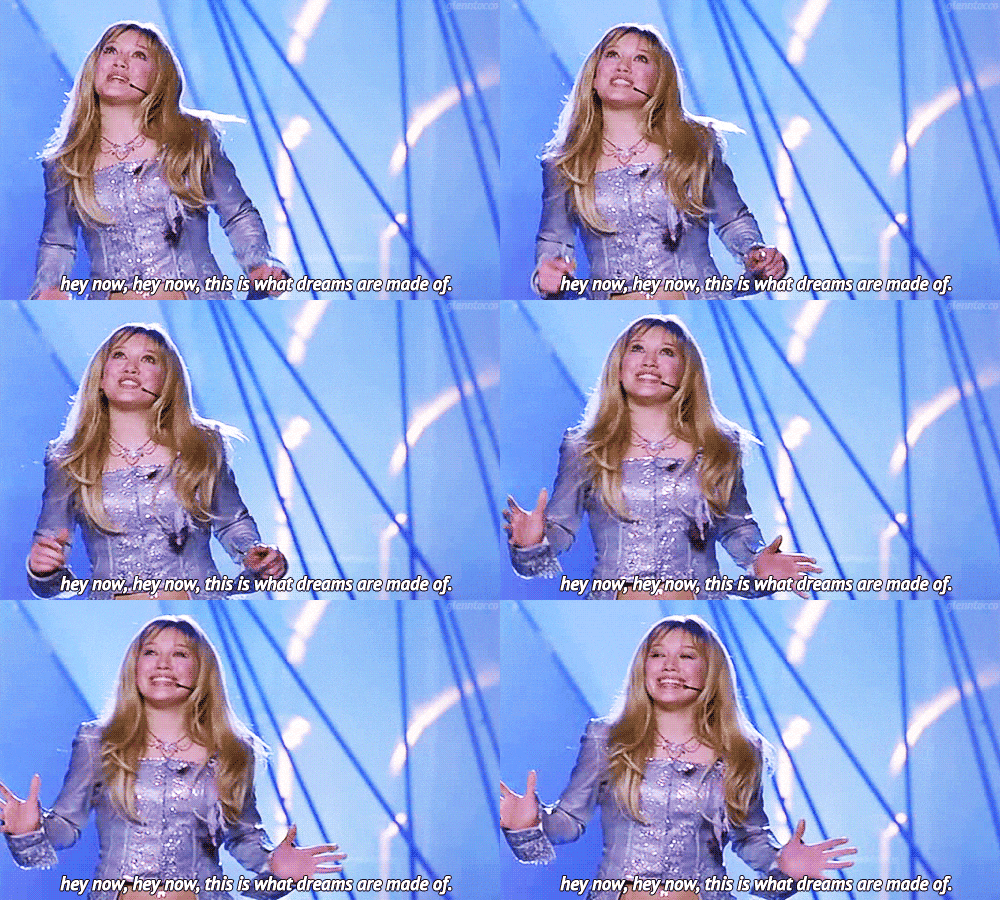
.The blueprints:
You can want something impossible
You can work toward it even when it’s ridiculous
You can believe in yourself even when evidence suggests you shouldn’t
You can fail and try again
You can be scared and do it anyway
You can find your people
You can be yourself (multiple contradictory selves) and still win
These aren't fantasies. They're requirements. The groundwork for doing anything difficult. Imagining impossible things and chasing your dreams demands some irrational, Disney-level confidence.
The Hannah Montana of It All
So, I urge you to lean in. It’s easy to dismiss these 2000s trends with the usual takes about millennials and Gen-Z refusing to grow up or another Disney cash grab. But I hope that’s not what this is.
There was a version of you that just believed in yourself. Who made music videos for nobody, sang Disney songs and trusted things could work out. Not because she was naive, but because no one had convinced her yet that dreaming was dangerous.
Somewhere along the way, we buried her. Adult life required it. As girls we learned to get smaller, more careful. We stopped creating for no reason. Stopped believing without evidence.
And we can feel what's missing.
That girl you used to be? She's still here. And she remembers what you've forgotten. That wanting impossible things isn't delusional. That you can believe in yourself, society, the world at large, without needing proof, and in fact, despite all evidence telling us otherwise.
So, that Hannah wig stays on. Not because we’re stuck in 2006, but because of what that little girl knew: you don't wait for the world to give you permission to change it. You just believe in yourself and do it anyway.
