We have been so busy lately. We now are actively in the IVF process (something I'm thinking about sharing more about but not sure how yet), in a month we are hosting a concert on our property in Joshua Tree, and it seems like everyone I know is getting married this year! Right now it feels like we are constantly in crunch mode to make it all happen, but it also feels good to be in the groove.

Filet Crochet
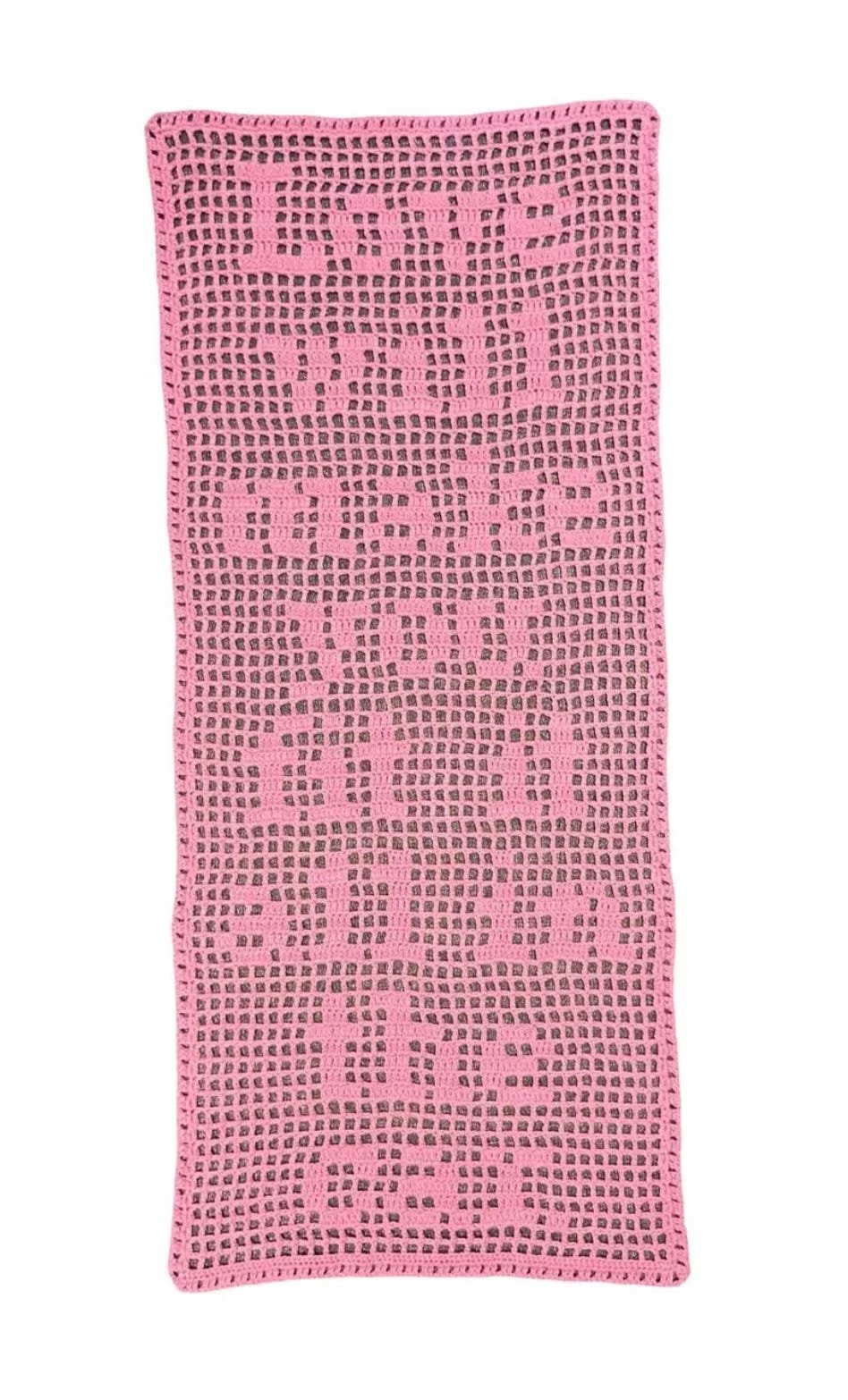
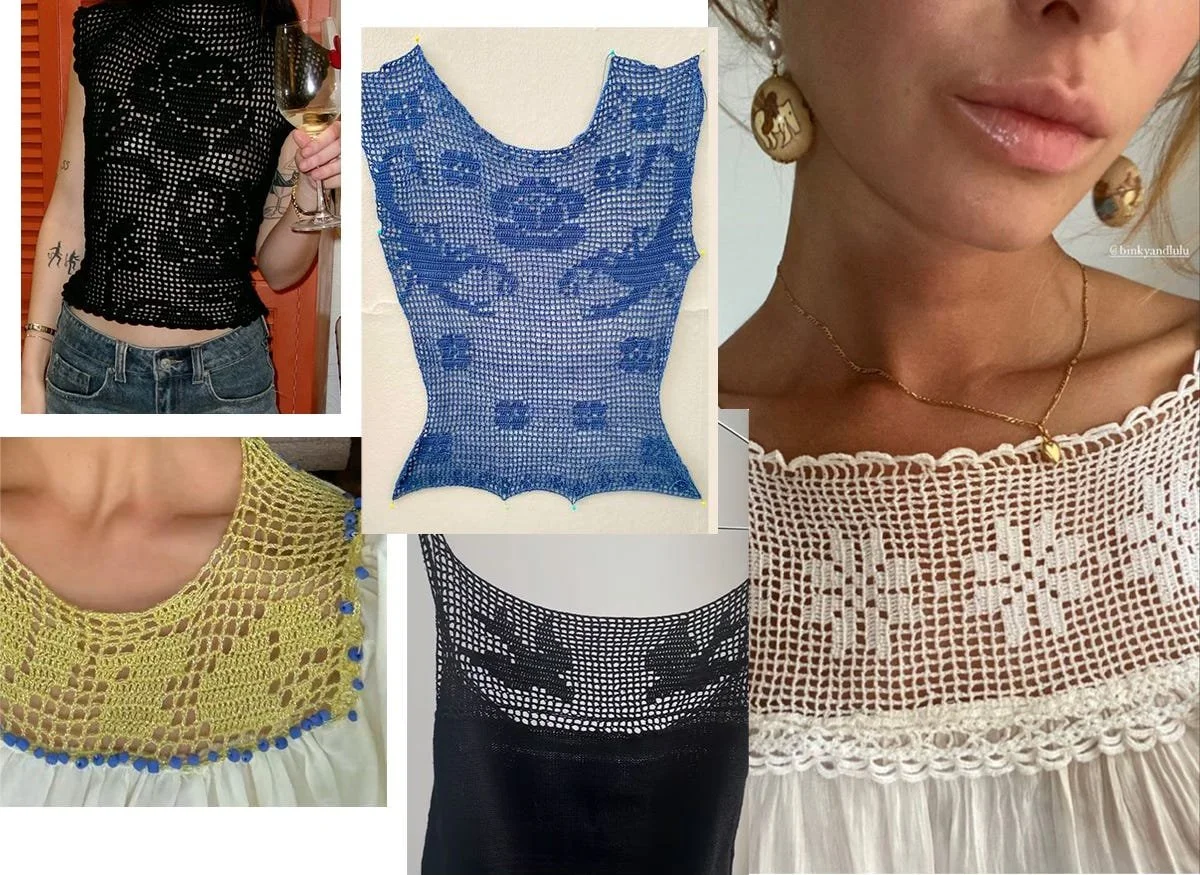
In the middle of all that chaos, I got coffee and caught up with my friend Claire. She is working on a new sweater using a technique called filet crochet. She got me down a rabbit hole, it’s so cool!
Filet crochet goes back to the 1400s. Fishermen in coastal Mediterranean communities would tie nets by hand using a netting needle and a simple knot called a sheet bend, tying row after row and working it into a grid. Their wives learned the practice too, and at some point one of them took it home. Women kept the grid and the knot, but started filling some squares in and leaving others open, creating a design out of the pattern.
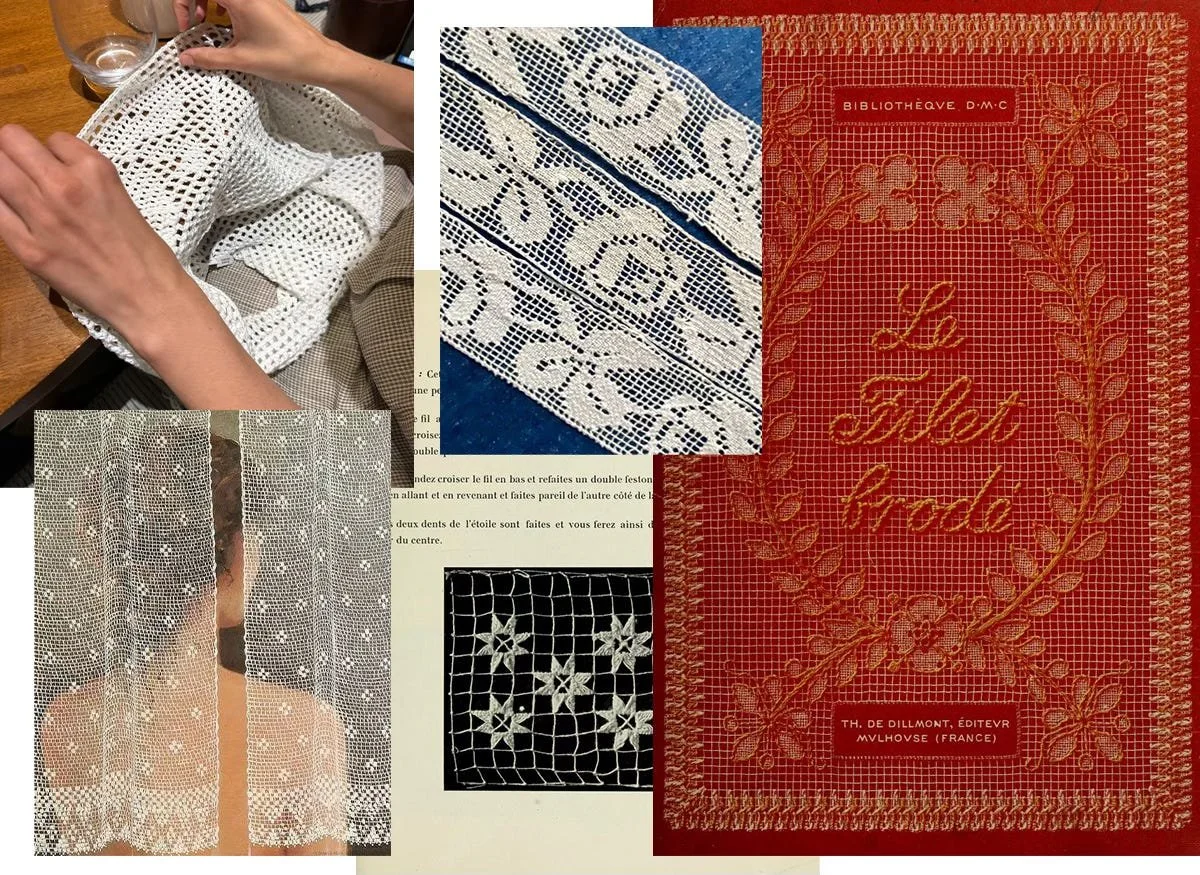
That’s where filet crochet comes from. Filet is French for net. The technique also goes by lacis and filet brodé. By the 1800s the crochet hook replaced the netting needle and the whole thing got faster and more accessible, so Victorian and Edwardian women went wild with it.
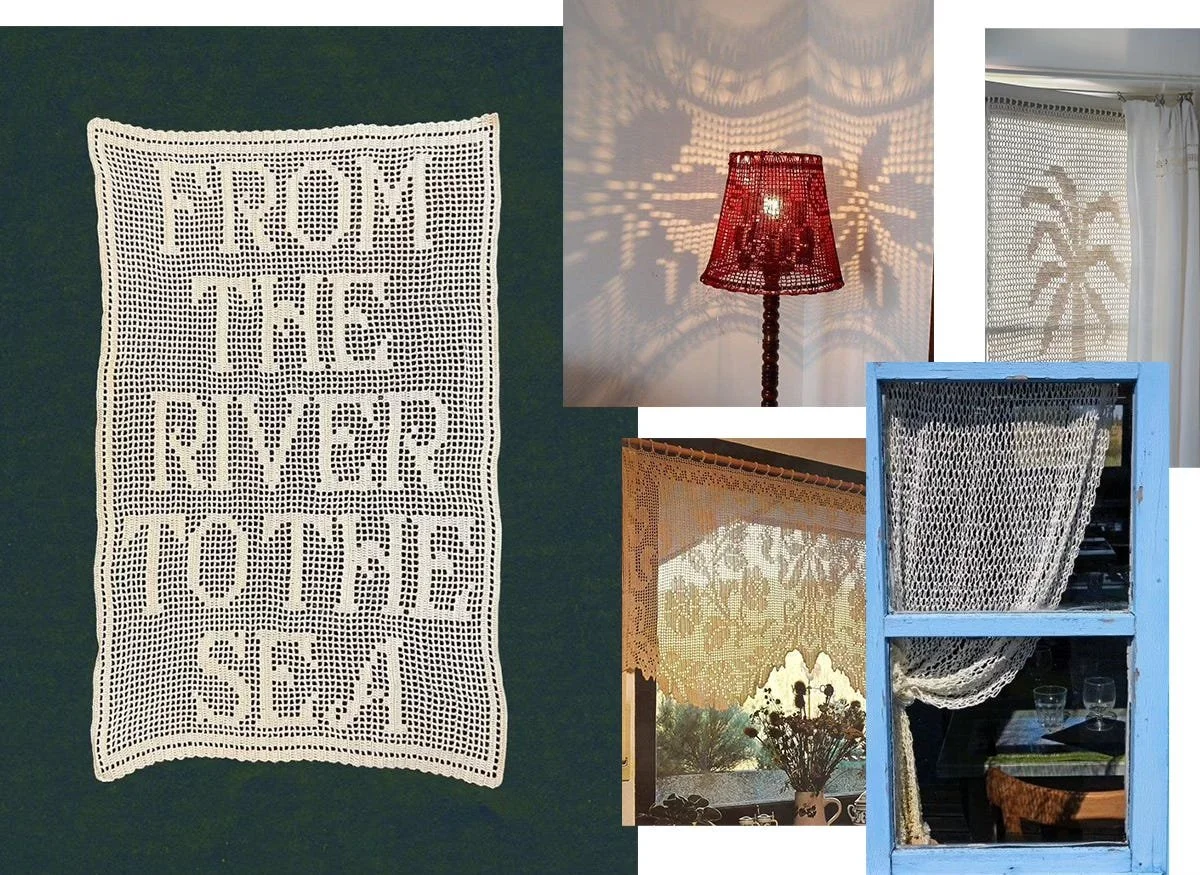
What gets me as a designer is the system they were working inside. Consisting of just three components: positive space, negative space, and the scale of the grid. And within those constraints, women engineered portraits, landscapes, lettering, complex scenes with depth. There’s something almost of funny to me about the way men get credited as the mathematical minds of history, because this is exactly that. It’s the same fundamental design problem that pixel art, mosaic tile, cross-stitch, woven textiles etc. are all solving: how do you render something complex inside a rigid, repeating unit? Women were working that out in fishing villages long before anyone built a computer to do it.
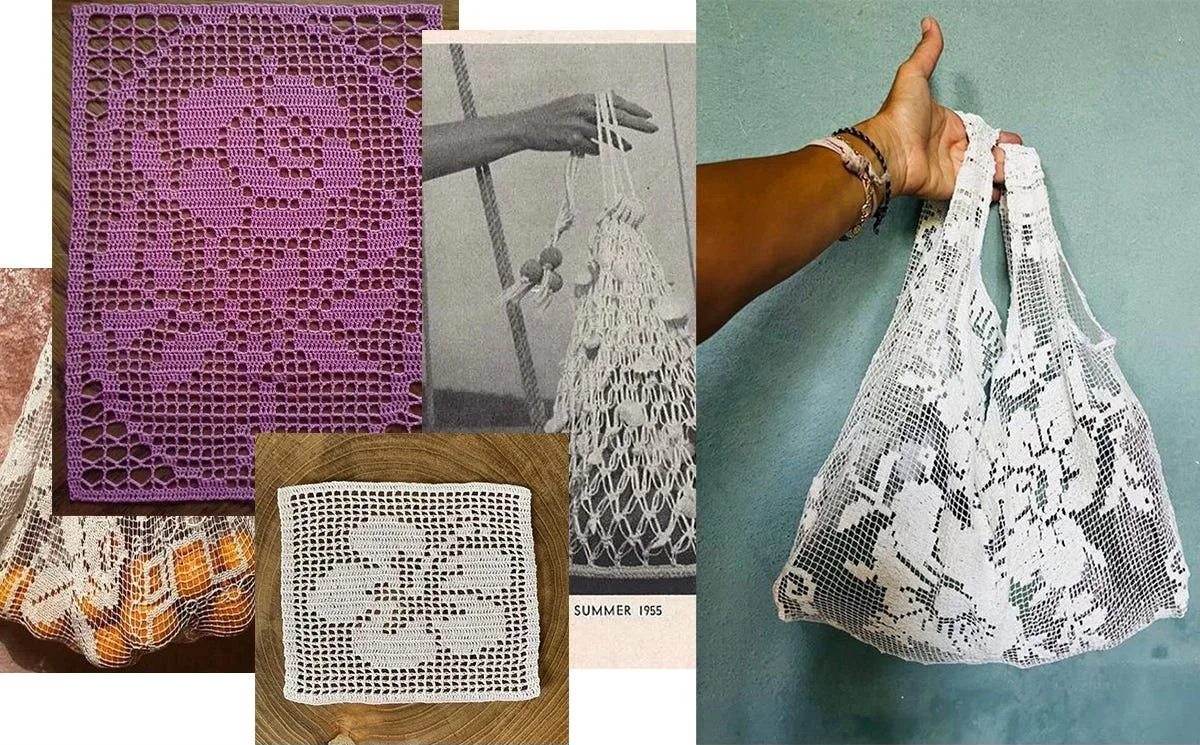
Today, I still think there’s so many beautiful ways to incorporate this into fashion and home. I’ve loved checking out pieces that utilize color and light to play with the mesh effect of this lace design. Very fun

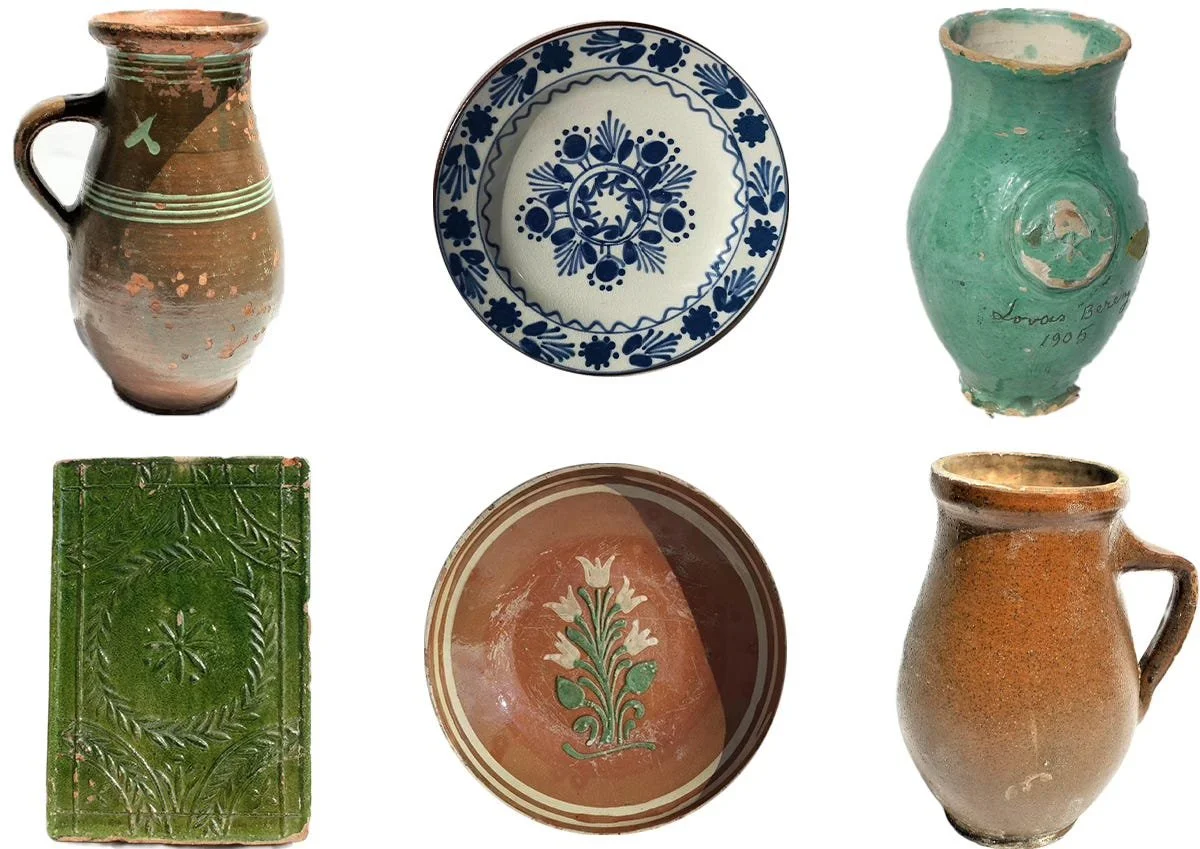
On a totally separate note, I stumbled onto this Etsy shop called PeterFolkPottery and I am obsessed. It’s run by a guy named Peter out of Pécs, Hungary, and the whole shop is antique Hungarian folk pottery. Jugs, pitchers, handpainted plates, Transylvanian clay pieces, splashed glazed stoneware, and some of it dating back to the 1800s. The range is massive with over 650 pieces.
I’m not necessarily saying go buy something (though you might). But the inspiration is good. The folk motifs and the color combinations are a great reference if you’re into ceramics or thinking about folk art in your home.